
The U.S. Military’s Missile Shortage
Disclaimer: This is an opinion/analysis piece
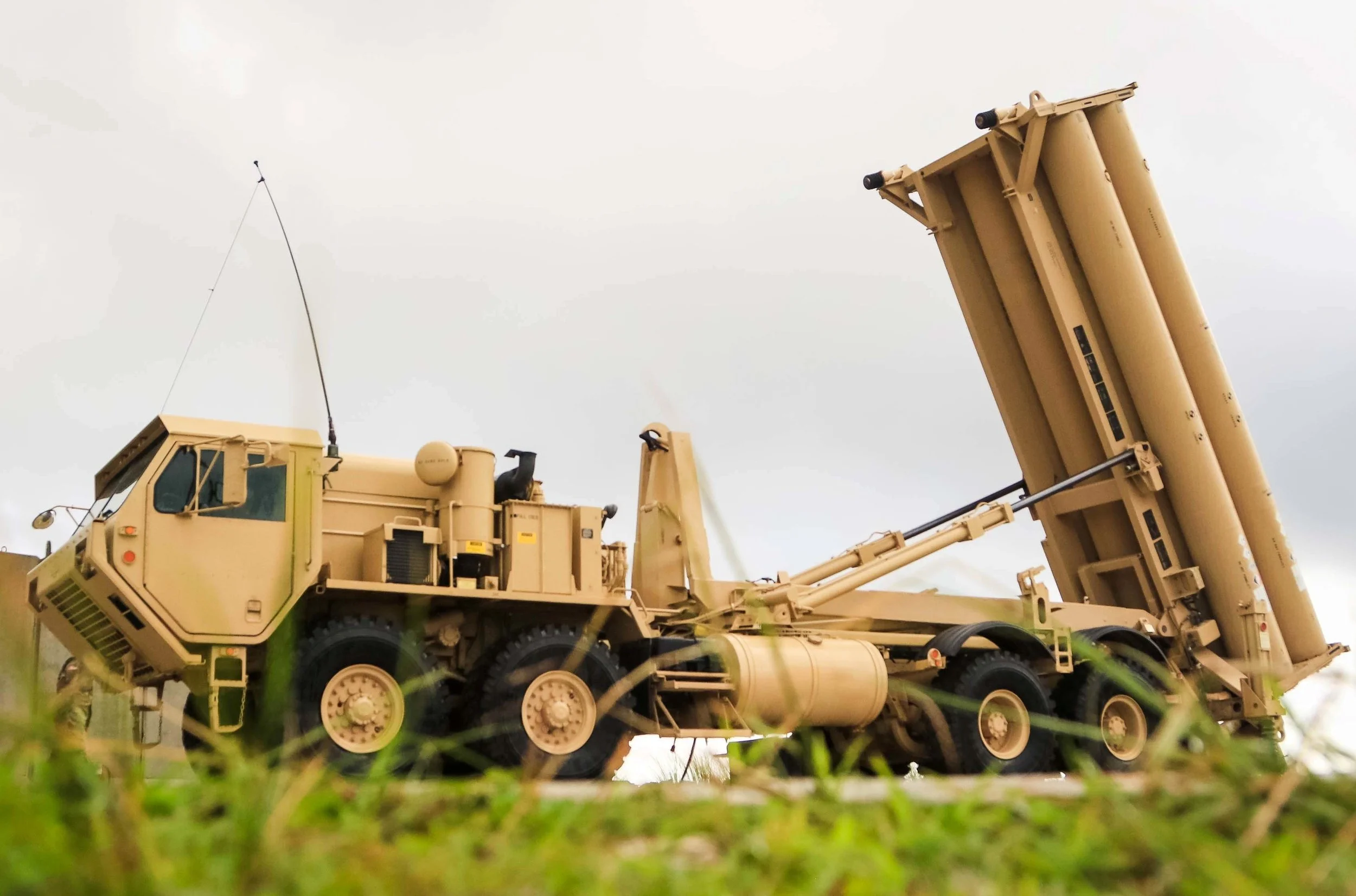
The U.S. military is running out of missiles. Since the start of the Iran war, the U.S. has used a wide range of high-tech, expensive weapon platforms to hit Iranian targets and defend against Iranian missile attacks throughout the Middle East. Unfortunately, U.S. stockpiles of important weapons, such as THAAD interceptors, Patriot interceptors, and Tomahawk cruise missiles, have dwindled, and the plan to replenish the depleted stockpiles is set to take years.
Sanae Takaichi speaking to parliments’s lower house on October 24, 2025
In order to understand why the U.S. finds itself in this position, one must go back to the end of the Cold War. After the conclusion of the Cold War, many defense contractors were forced to either shutter or merge with the military-industrial giants such as Raytheon or Lockheed Martin. This left the military-industrial base driven by two major companies. As a result, both companies restructured their operations for peace, meaning they were not prepared to ramp up production in time for conflict. Thus, when the U.S. began sending missiles from its stockpiles to Ukraine in 2022 and launched the war with Iran at the end of February, Raytheon and Lockheed Martin were not prepared to replenish the U.S. military stockpiles of advanced weapon systems fast enough.
Over the past four years, the Ukrainian conflict; Israel’s war with Hezbollah and Hamas; U.S. strikes against the Houthis; and the conflict with Iran have shown that the days of peace following the Cold War are over. In all of these conflicts, two types of missiles have been used repetitively: offensive and defensive missiles. The U.S. has been consistently supplying Ukraine and Israel with both types. The offensive missiles include Tomahawks, JASSM (air-to-ground cruise missile), ATACMS (ground-to-ground), and PrSM (ground-to-ground). The defensive missiles include PATRIOTS, THAAD, SM-3, and SM-6. All of the defensive missiles serve slightly different purposes, with some launched from land and others from Naval vessels. Data from the Center for Strategic and International Studies (CSIS) compares U.S. stockpiles of certain weapons from before the start of the Iran conflict to now: Pre-war, the military had 2330 Patriot interceptors and now has 800; pre-war, 1,000 ATACMS and now 900; pre-war, 452 THAAD intercepts and now around 250. Those are just a few estimated data points.
The question is where this stockpile drawdown leaves the U.S.? According to CSIS, once the Department of Defense signs a contract with a manufacturer, it could take between two and four years for the order to be fulfilled. That leaves the U.S. in a vulnerable position for the time being. Many defense analysts have warned that the U.S. is not ready, from a stockpile standpoint, to enter into conflict with China, for example, if it decided to make a move on Taiwan. The reality is that many people in the government could be blamed for inadequate planning, but more importantly, the U.S. must learn an important lesson: if it wishes to enter into a conflict, it must have an abundance of offensive and defensive weapons so that it can achieve victory and remain secure even after the conclusion of the conflict.



Opinion and Analysis on current U.S. missile stockpiles