The Rearmament of Japan
Disclaimer: This is an opinion/analysis piece
After the conclusion of World War II, the allied forces imposed a constitution on Japan that forced it to adhere to a pacifist national security policy. Under that very constitution, Japan, technically, cannot have a traditional military; however, it maintains what it calls the Self-Defense Forces, which is a better-equipped military than many other nations around the world. Additionally, only last month did the Japanese government roll back its policy of forbidding the export of military hardware. For a nation, since the end of WWII, that has not pursued developing its military and military industrial industries to levels anywhere near those of Western nations around the world, why is Japan shifting strategy now?
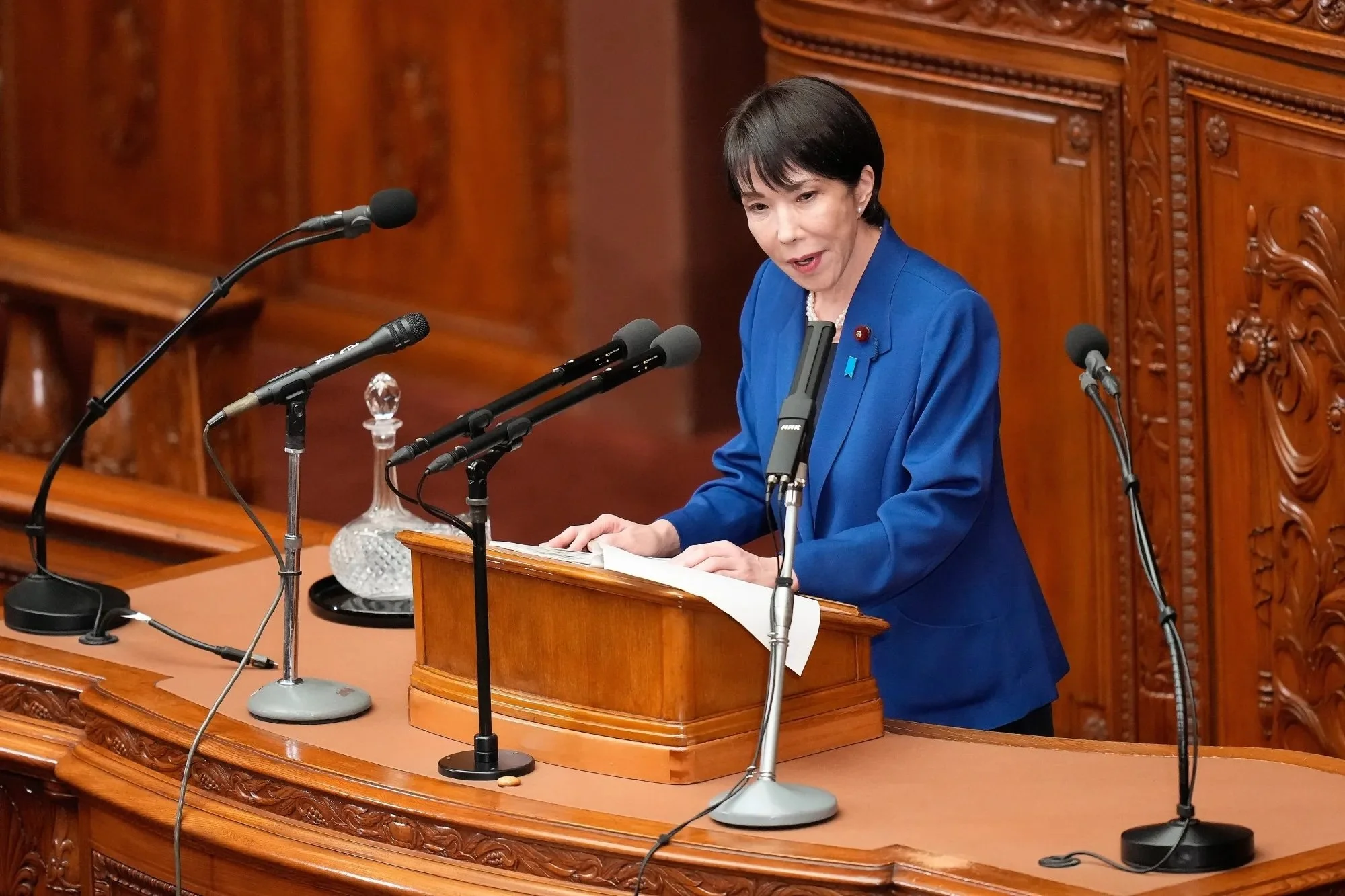
Sanae Takaichi speaking to parliments’s lower house on October 24, 2025
For a long time now, the only customer of Japan's military and security industries has been its Self-Defense Forces. This has led to the military industries being uncompetitive and lackluster. There was a time when many believed the disintegration of Japan's defense industrial base was irreversible. However, the supposed irreversibility appears to be reversible.
Changes in Japan's security policy began in 2022 under the leadership of then Japanese Prime Minister Fumio Kishida. Significant changes have only started to take shape recently under the current Prime Minister, Sanae Takaichi. She has turned out to be the key player in pushing forward this policy overhaul. After many years of the U.S.trying to push Japan to take control of its security, it seems to finally be happening. The Russian invasion of Ukraine, lower confidence in U.S. security guarantees, and the growing threat of Chinese aggression have been important catalysts in pushing this change in Japanese policy. In 2022, Japan committed to doubling its defense budget from 35 billion dollars to 60 billion dollars by 2027. This spending target makes Japan the ninth biggest spender on defense. The pacifist security policy/ no military hardware export era is officially over.
This security championing by Sanae comes at just the right moment for Japan's defense contractors. The defense industry has studied the war in Ukraine and the drone domination of the battlefield. Spending on cheaper military platforms such as drones has increased, as having a larger stockpile of cheaper weapons would allow Japan to stay in a conflict for a longer period of time. This carefully thought out spending is all a part of a plan for Japan to put itself in the best position possible to defend itself in the event of a future conflict.
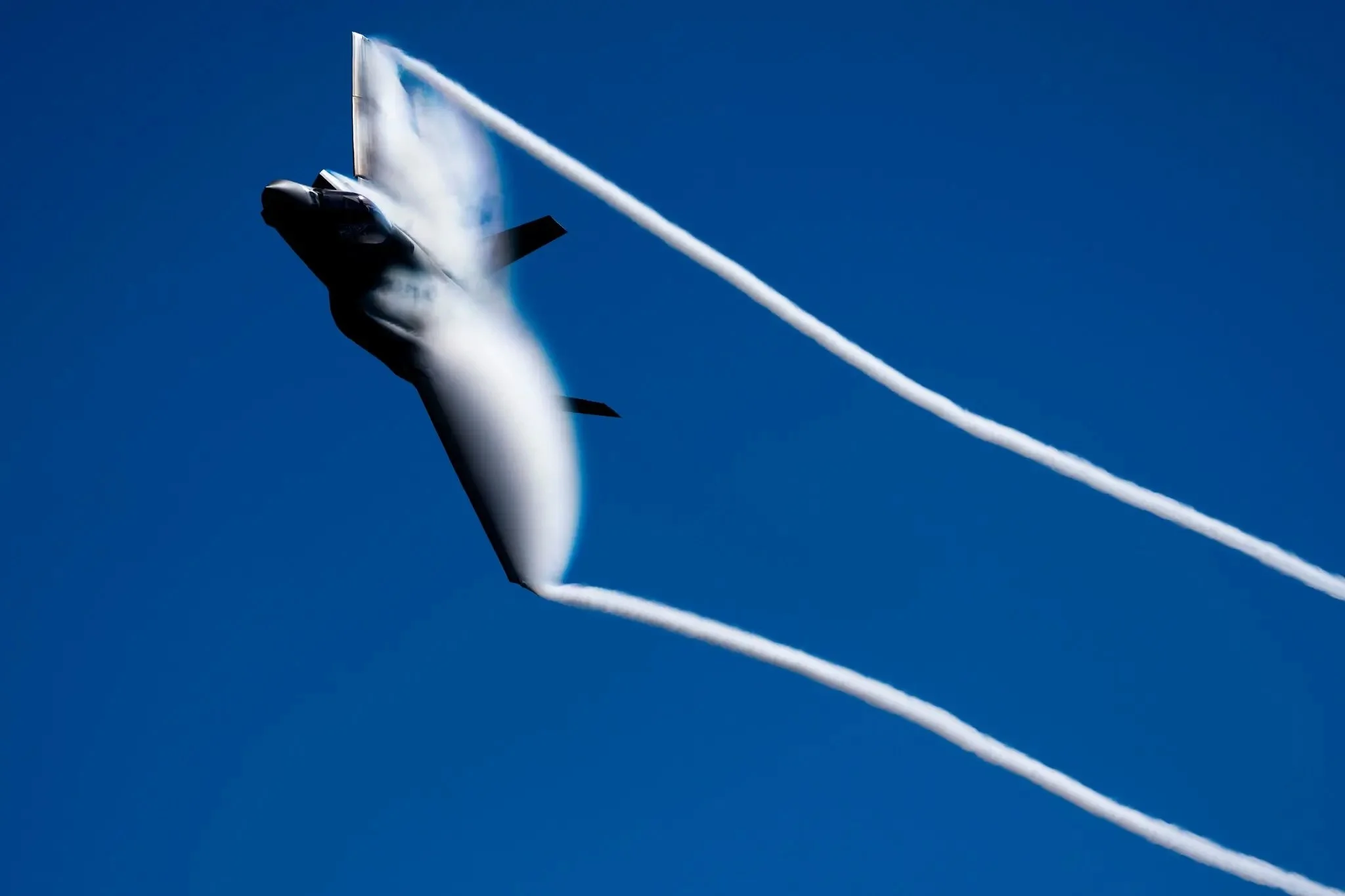
Besides looking to take the reins of its defense, the island nation is also looking at ways its defense industries can compete with its American counterparts with regard to exporting arms. Today, the United States is responsible for the production of some of the most advanced military platforms on the planet: from the Terminal High Altitude Air Defense System (THAAD) to the F-35 Lighting II stealth fighter jet. With this technological superiority comes sky-high pricing that can be hard to justify for some countries. For example, the THAAD battery itself can cost anywhere from 1 billion to 1.8 billion dollars, while the interceptors can range from 12 million to 15 million dollars. As has been witnessed in the current conflict with Iran in the Middle East, nations can very quickly deplete their stockpiles of such interceptors, which is a barrier to prolonged conflict. The other problem with THAAD is the low production rate of the interceptors each year. Right now, 96 such interceptors are produced yearly, according to Lockheed Martin. Also, using these interceptors against cheap Iranian drones is hugely disproportionate. This is where Japan's defense contractors come back into play. They are currently seeking ways to accommodate the new era of warfare: cheaper hardware, more numbers. Japan is seeking to carve out its own set of customers (fellow middle powers; allies of the U.S.) who want military goods faster with lower wait times. Japan is trying to solve this problem. Specifically, Europe is trying to find alternatives to the U.S. due to the increased unreliability of U.S. military hardware deliveries. As it is, the U.S. has seen its stockpiles lowered as a result of the Ukraine and Iran wars. They have to replace their stockpiles before they can start supplying allies. U.S. military hardware production is severely backlogged. Recently, Japan has begun this very outreach in Finland and Sweden, where it dispatched delegations to discuss collaboration on military hardware and technology.
Japan is going through a rearmament revolution: taking control of its security while finding its footing as an international military supplier. Under the leadership of Sanae, the country has seemingly turned a corner and realized that the only country it can rely on for its defense is itself. Under the leadership of Sanae, Japan has begun writing a new chapter of Japanese military history.