
Disclaimer: This is an opinion/analysis piece
On August 7, 2026, Saudi Arabia, Turkey, and Pakistan signed the Mecca Joint Defense Agreement. Under President Trump, the U.S. has urged allies, including those in Europe and the Middle East, to take control of their own security. This new alliance is a preliminary step by key regional powers. Since the U.S.-Iran War began, Middle Eastern nations have had a reckoning: the U.S. can't guarantee their security. Over the course of fighting, Iranian drones and missiles, along with those of its proxies, have successfully hit critical infrastructure across Saudi Arabia, the UAE, Qatar, and others. The days when these nations believed that the U.S. could successfully defend them against the Iranian threat are over. The Mecca alliance is meant to provide collective security to all signatory nations. But is it just a paper tiger?
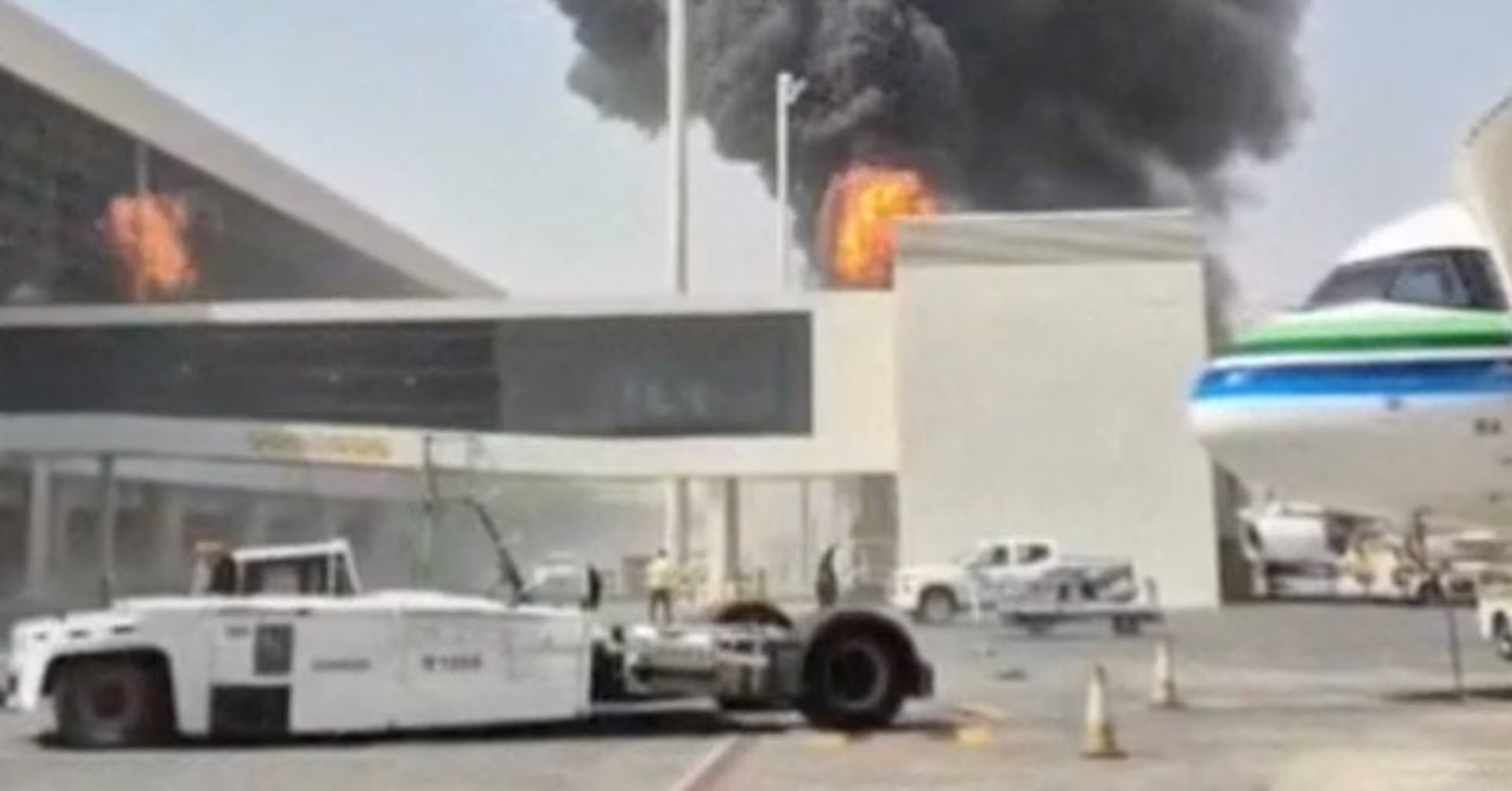
Smoke is seen rising from the King Khalid Airpot in Saudi Arabia after a Houthi attack. October 8, 2026
The first real test of the alliance came in September when the Houthis, an Iranian proxy and terrorist group controlling much of western Yemen launched missiles and drones targeting Saudi oil infrastructure. In response to the attacks neither Turkey nor Pakistan, besides condemning the attacks and vowing response, helped in any substantial way. Now perhaps a little slack must be given. After all the new alliance is only a few months old and it will take time for the operational systems of the alliance to get up and running. The reality however is throughout October as the Houthis began targeting civilian infrastructure, including airports, across Saudi Arabia Turkey and Pakistan still have yet to help Saudi Arabia defend itself. Towards the beginning of October all three nations met for an emergency meeting in Saudi Arabia to discuss the alliances response to the attacks. The three nations agreed to implement defense agreements immiedietely alongside sending military assests to Saudi Arabia. However over 20 days later it does not appear that anything physical has materialized from the meeting. It appears as though th alliance still needs time to sort out how it will provide collective security not just on paper but on the ground.
As the risk of a restart in fighting between the U.S. and Iran after the midterm elections seems to be increasing, Middle Eastern nations must be ready to be targeted by Iranian drones and missiles. For the Mecca alliance, Saudi Arabia will be the nation that is likely to be heavily targeted upon the resumption of fighting. If fighting resumes, Saudi Arabia will be desperate for the U.S. to assist in its defesne. However, the U.S. wll be constrained in the defense it can provide as it must watch its stockpiles of interceptors, an issue I wrote about in depth recently. In the short term, the Mecca Alliance is unlikely to provide a significant defense to Saudi Arabia. This will leave Saudi Arabia and its critical oil infrastructure vulnerable to Iranian attacks. It will likely be a long time until the Mecca Alliance get provide necessary military support to its members. Until this alliance finds its teeth, the U.S., whether it likes it or not, will not be able to leave middle eastern nations to defend themself for the foreseeable future. In the short term, Saudi Arabia will desperately need the U.S. to help in its defense.


Opinion and Analysis on current U.S. missile stockpiles